
Anatomy
Root Systems, Bark, and Leaf Structure in Olea europaea
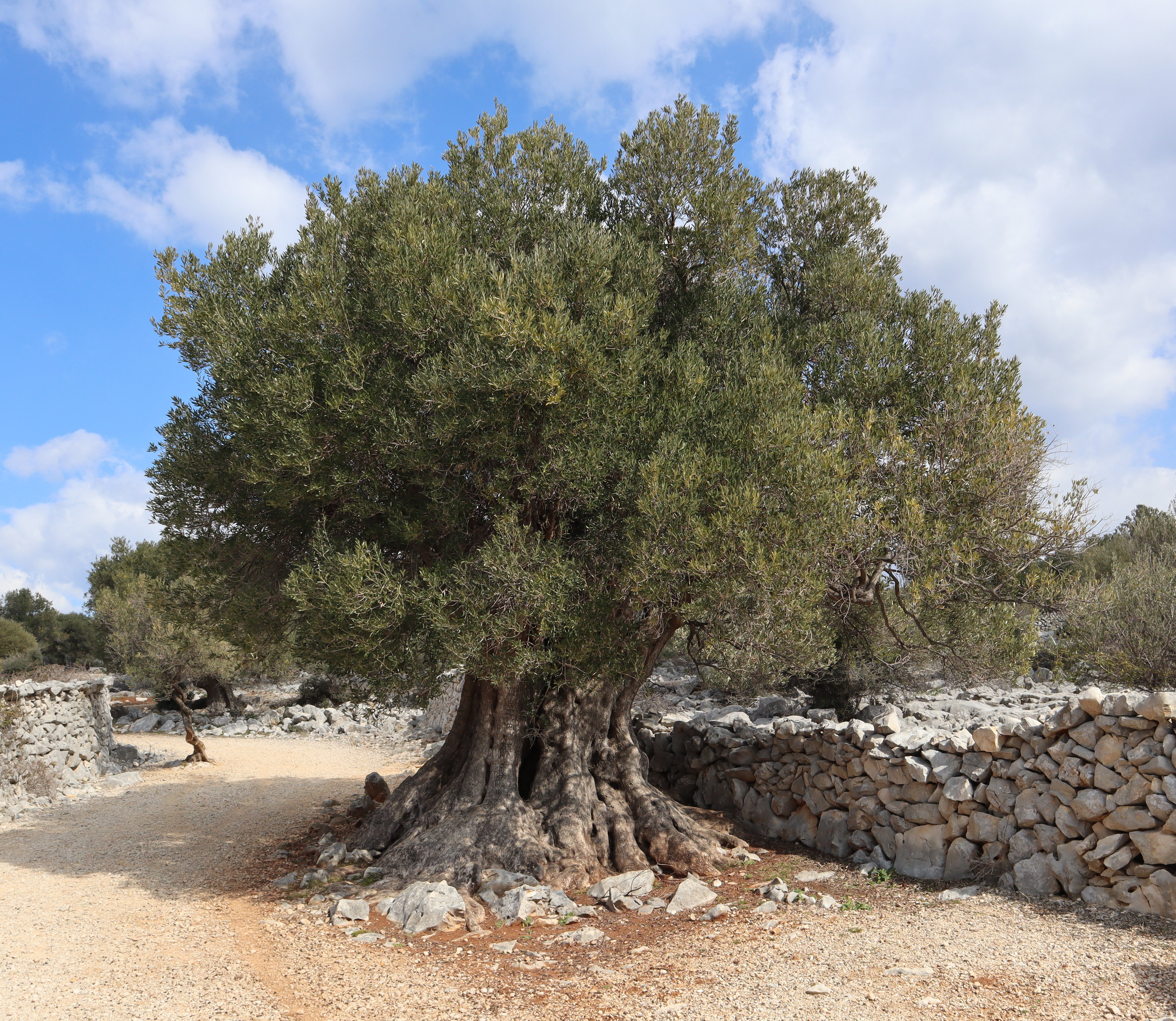
An examination of the olive tree's root architecture, trunk morphology, and the structural features of its dimorphic leaves.
Documented research on olive tree anatomy, physiology, and Mediterranean climate adaptations. A botanical reference for growers, researchers, and students.
Articles
Three detailed articles covering the structural, physiological, and reproductive biology of Olea europaea.
An examination of the olive tree's root architecture, trunk morphology, and the structural features of its dimorphic leaves.

How Olea europaea regulates stomatal aperture, modifies root water uptake, and maintains photosynthesis under seasonal drought.

From wind pollination through the drupe's oil-accumulation phases to harvest timing across different growing conditions.
~8,000
Years of documented olive cultivation in the Mediterranean region
25–60 m
Maximum depth of olive tap roots in fractured limestone soils
5–12 °C
Chilling requirement range for adequate flower bud differentiation
Oleaceae
Plant family; nearest European relatives include ash and privet
Botany
Olea europaea L. belongs to the family Oleaceae and is the only olive species with significant commercial cultivation. Its native range spans the Mediterranean Basin from the Iberian Peninsula east to the Levant, with naturalised populations now extending into parts of Central Europe, including southern Germany, where Mediterranean climates are locally reproduced in sheltered valley locations.
The species is divided into two primary subspecies: O. europaea subsp. europaea (the cultivated olive) and subsp. cuspidata, found across sub-Saharan Africa and the Indian subcontinent. Within cultivated olives, over 1,000 named cultivars are documented, varying substantially in fruit size, oil content, and environmental tolerance.
